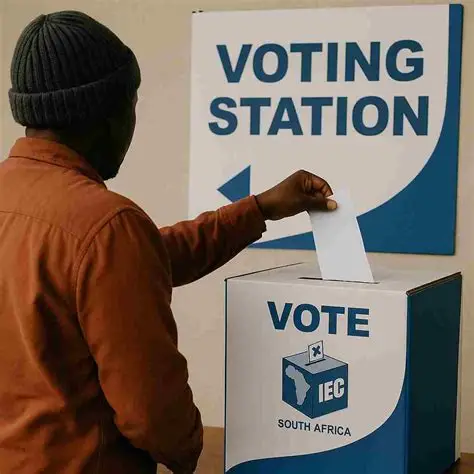
As voter registration gains momentum ahead of the 2026 elections, young people in Soshanguve say unemployment, crime, poor service delivery and limited economic opportunities remain among the biggest challenges facing their community.
Residents have been calling on political parties to prioritise job creation, infrastructure development and improved public services as they prepare to make their voices heard at the polls.
According to Thato Masinamela, Acting Regional Secretary of the MKYL Tshwane Elections Task Team, unemployment continues to have a devastating impact on young people in the township.
“The biggest challenges facing young people in Soshanguve are unemployment, poverty, crime, and substance abuse, ” said Mr Masinamela.
He said many graduates and school leavers remain unemployed despite having qualifications and skills, contributing to poverty, frustration and hopelessness among young people.
“Young people are not asking for handouts; we are asking for opportunities. We want quality education, decent jobs, safer communities and a meaningful role in shaping the future of our country,” he said.
Mr Masinamela added that while political parties often make promises during election campaigns, young people want practical solutions that address youth unemployment, entrepreneurship, education and skills development.
The City of Tshwane acknowledged concerns raised by residents regarding deteriorating roads, faulty streetlights, environmental maintenance, service delivery and unemployment in Soshanguve.
In response to media enquiries, the City said several measures are being implemented to improve service delivery, including road rehabilitation and resurfacing projects currently underway in the region.
The City stated that approximately 42 kilometres of roads across Regions 1, 2, 3 and 6 are being rehabilitated and resurfaced as part of an ongoing infrastructure maintenance programme aimed at improving mobility, road safety and the overall travelling experience for residents.
Additional interventions include the introduction of jet-patching machines to improve pothole repairs, the procurement of horticultural equipment to strengthen grass-cutting and tree-pruning operations, and ongoing training programmes for operational personnel.
The municipality also highlighted initiatives aimed at addressing unemployment and economic development. According to the City, infrastructure projects create employment opportunities through local labour participation and subcontracting arrangements while supporting long-term economic growth.
Through the Expanded Public Works Programme (EPWP), the City reported that 12,621 work opportunities were created between June 2025 and June 2026 across roads, environmental and community programmes.
The City is also exploring construction and artisan training partnerships in areas such as plumbing, electrical work, bricklaying, carpentry and road maintenance. In addition, the Ithuba Youth Development System enables young people to register their qualifications, skills and employment interests for future development opportunities.
Despite these initiatives, many young people believe more needs to be done to address unemployment and create sustainable opportunities.
Mr Masinamela said greater investment is needed in education infrastructure, student funding, vocational training, entrepreneurship support and entry-level employment opportunities.
He encouraged young people to participate in the democratic process and make their voices heard.
“Voting is one of the most powerful tools available to young people in a democracy. It allows us to influence the direction of our communities and hold leaders accountable for their promises,” he said.
As the 2026 elections approach, residents’ concerns suggest that employment, service delivery, infrastructure maintenance, and community safety are likely to remain key issues influencing voter decisions in Soshanguve.